Are India's hill stations losing their cool?
Shimla neared 31°C in May as heatwave-like conditions spread through Himachal Pradesh, raising the question of whether the old summer retreats can still offer relief.
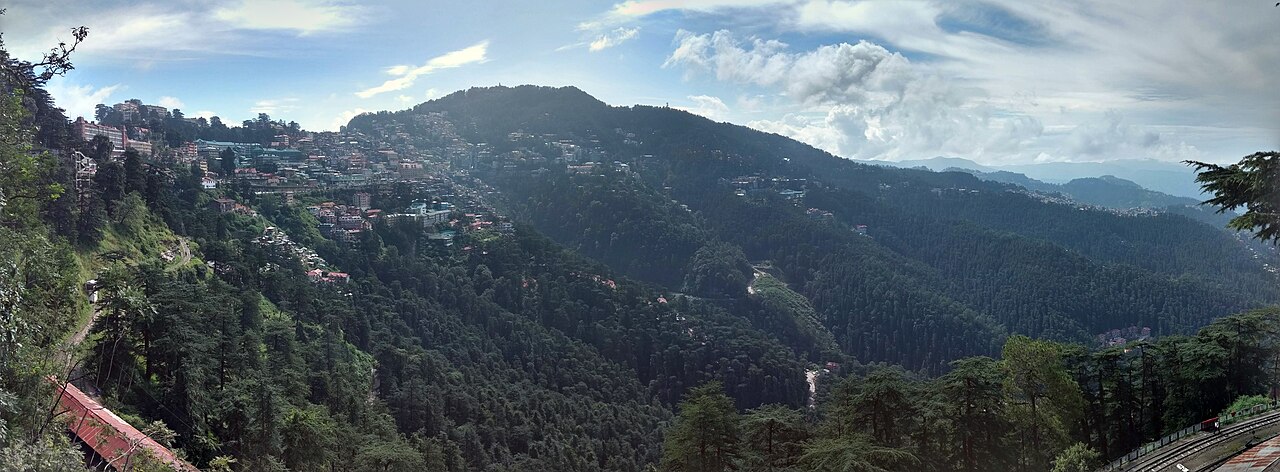
India’s hill stations were built on a simple promise: climb a couple of thousand metres and leave the heat of the plains behind. Shimla, the summer capital of British India, is the classic example. In 2026, that promise came under strain again.
What happened this year
In March, the India Meteorological Department’s (IMD) outlook for March to May forecast above-normal daytime temperatures across most of India. It singled out mountainous Himachal Pradesh, the higher parts of Uttarakhand, and Jammu and Kashmir as among the places most likely to run hot, as reported by Down To Earth.
By late May the forecast had played out. Shobhit Katiyar, head of the IMD in Himachal Pradesh, said Shimla reached 30.8°C on May 20, with heatwave-like conditions in Shimla, Una, Kangra and Solan districts, according to ANI. That came close to the 31.7°C Shimla recorded in 2024. The state’s chief minister, Sukhvinder Singh Sukhu, said climate change was visibly affecting Himachal and called for national-level planning.
Why it matters
For comparison, Shimla’s average afternoon high across the year is about 17°C (see Shimla’s climate chart). Days above 30°C are still unusual, but they are no longer unheard of.
When a similar hot spell hit in 2024, scientists and residents interviewed by Outlook pointed to more than global warming. They also blamed shrinking snow cover, deforestation, and the hotels, roads and traffic that have grown up around the hill towns. All of these erode the natural cooling that made the towns attractive in the first place.
The hill stations are still far cooler than Delhi or the plains below. But the margin they offer is not guaranteed, and how these towns grow will matter as much as the weather.